Yomika presentsSpace & the ExoplanetsPlanets so weird they sound made up. But they're all real.
HD 189733b
From far away, this planet looks beautiful — a gorgeous deep blue, like Earth from space. Don't be fooled. That blue comes from tiny bits of glass floating in the air. And those bits of glass? They're falling. Sideways. Faster than a bullet.
The atmosphere is full of tiny glass particles. They melt, rise into clouds, then rain back down as scorching hot droplets. It's like a sandstorm, except the sand is molten glass.
The winds blow seven times faster than the speed of sound. The strongest hurricane ever recorded on Earth would feel like a gentle breeze compared to a normal Tuesday here.
The atmosphere is full of hydrogen sulfide — the stuff that makes rotten eggs smell. So even if the glass rain and insane winds didn't get you, the smell would finish you off.
WASP-76b
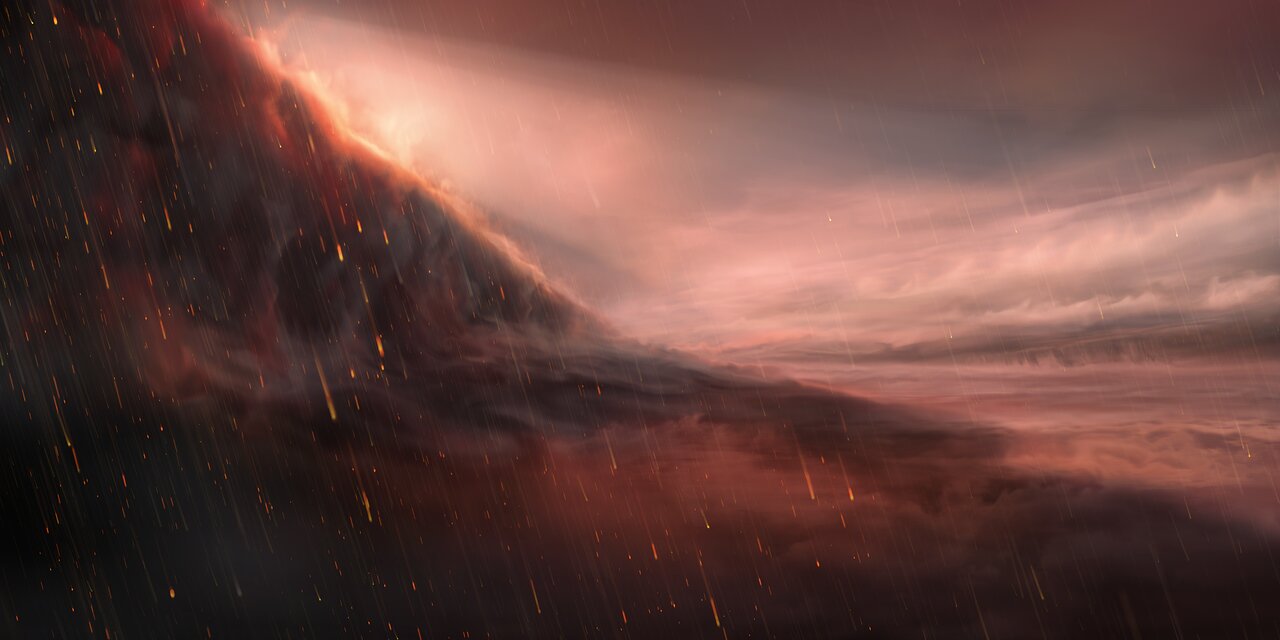
This planet doesn't spin like Earth — one half always faces its star. That side is so hot that iron — the stuff nails and frying pans are made of — turns into a gas that floats around like steam. Hotter than lava. Hotter than a blast furnace. Hotter than almost anything you can imagine.
Fierce winds carry the iron gas around to the dark side, where it cools just enough to turn into liquid drops. Then it falls. Iron rain. Imagine standing in a storm, except the raindrops are made of molten metal. Scientists actually detected this happening with real telescopes.
Did You Know?
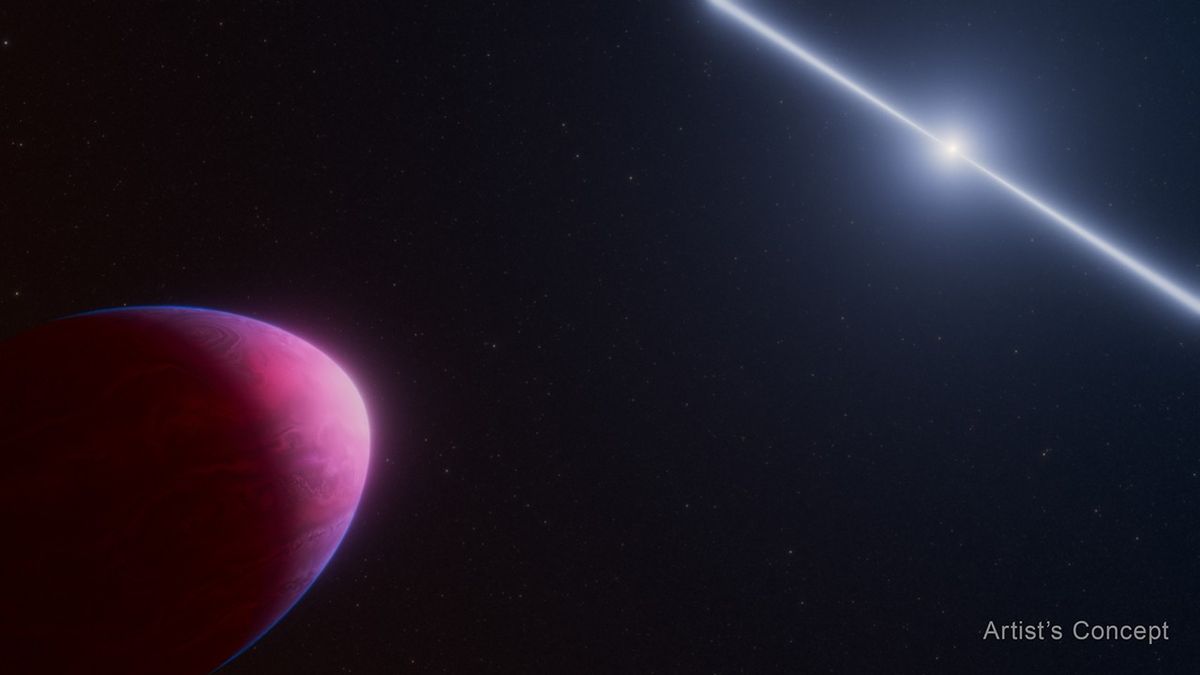
PSR J2322-2650b is shaped like a lemon (squished by the gravity of the dead star it orbits!) and has so much carbon in its atmosphere that it gets crushed into diamonds and rains down toward the core. Actual diamonds. Falling like rain.
Kepler-16b orbits two stars at once. Every evening has a double sunset — just like Tatooine in Star Wars. Except this one is real.
On 55 Cancri e, a whole year lasts just 18 hours. You'd have a birthday, go to sleep, wake up, and it'd be your birthday again.
L 98-59 d has so much sulfur in its atmosphere that if you could take a sniff, it would smell like the world's worst fart. Scientists confirmed this with the James Webb Space Telescope. Best. Job. Ever.
TOI-3757 b is the size of Jupiter but so fluffy it would float in a bathtub.
More planets than there are days in 16 years. And scientists think there are billions more out there waiting to be discovered.
WASP-107b
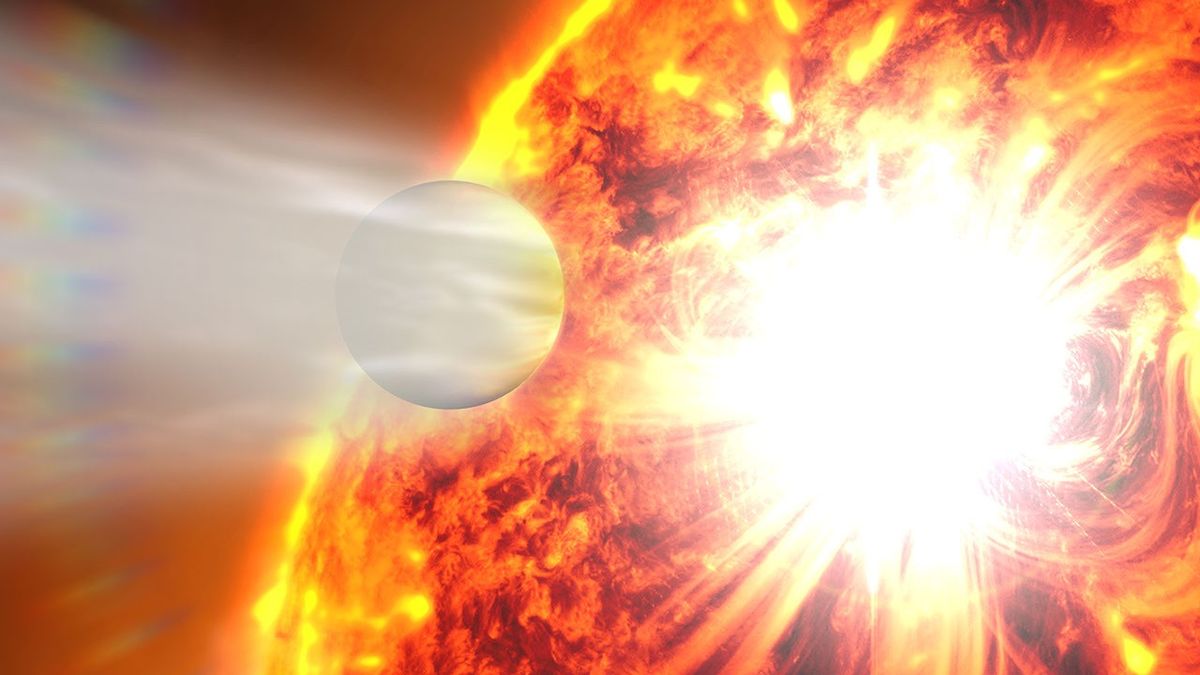
WASP-107b is about the size of Jupiter but incredibly light — scientists call it a "super-puff" because it's like a cosmic marshmallow. Huge but barely there. And it's falling apart.
The James Webb Space Telescope caught a massive cloud of helium gas streaming away from this planet, ripped off by its star. The cloud stretches out ten times wider than the planet itself — like a tail of gas dragging through space.
Here's the wildest part: the escaping gas cloud moves so fast it actually arrives at the star an hour and a half BEFORE the planet passes by. Imagine walking your dog, except your dog arrives at the park an hour before you do.
TOI-561 b
It orbits a star that's twice as old as our Sun. If you think of the universe as a 24-hour clock, this planet was born around breakfast. Earth didn't show up until dinner.
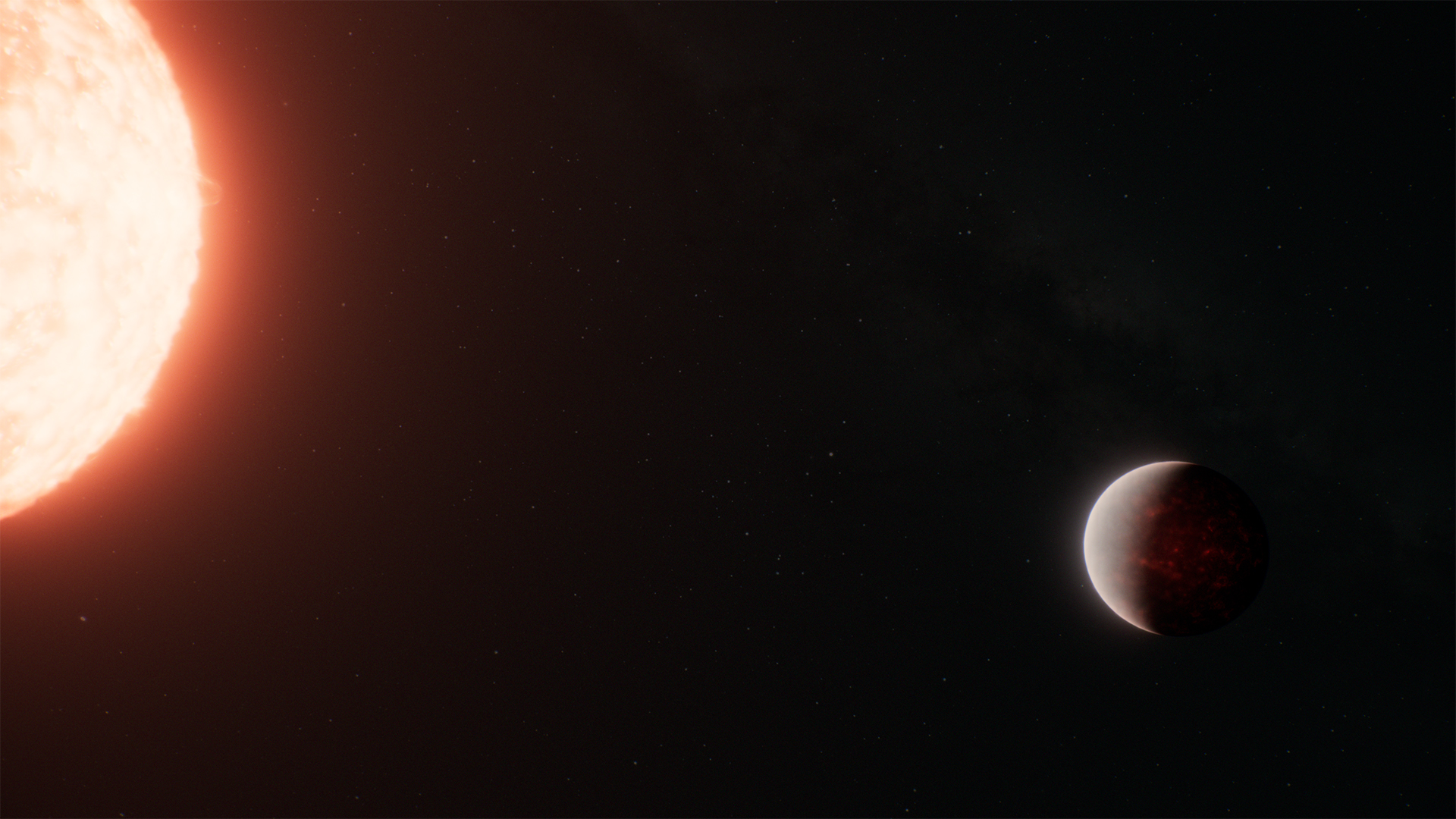
Its year lasts about ten and a half hours. While you're at school, this planet has already gone around its star. By bedtime, it's done it again. You'd celebrate about 800 birthdays per Earth year.
The surface is a churning ocean of molten rock. But the lava itself keeps burping gas into the atmosphere from below, like a planet-sized chemistry experiment. That's how it holds onto air that should've been blasted away billions of years ago.
Quiz Time!
How much did you remember? Let's find out!